Modern vehicles are smarter than ever. Features like lane departure warnings, forward collision alerts, adaptive cruise control, and automatic emergency braking help drivers stay safer on the road. Many of these safety technologies rely on cameras and sensors mounted directly to the windshield.
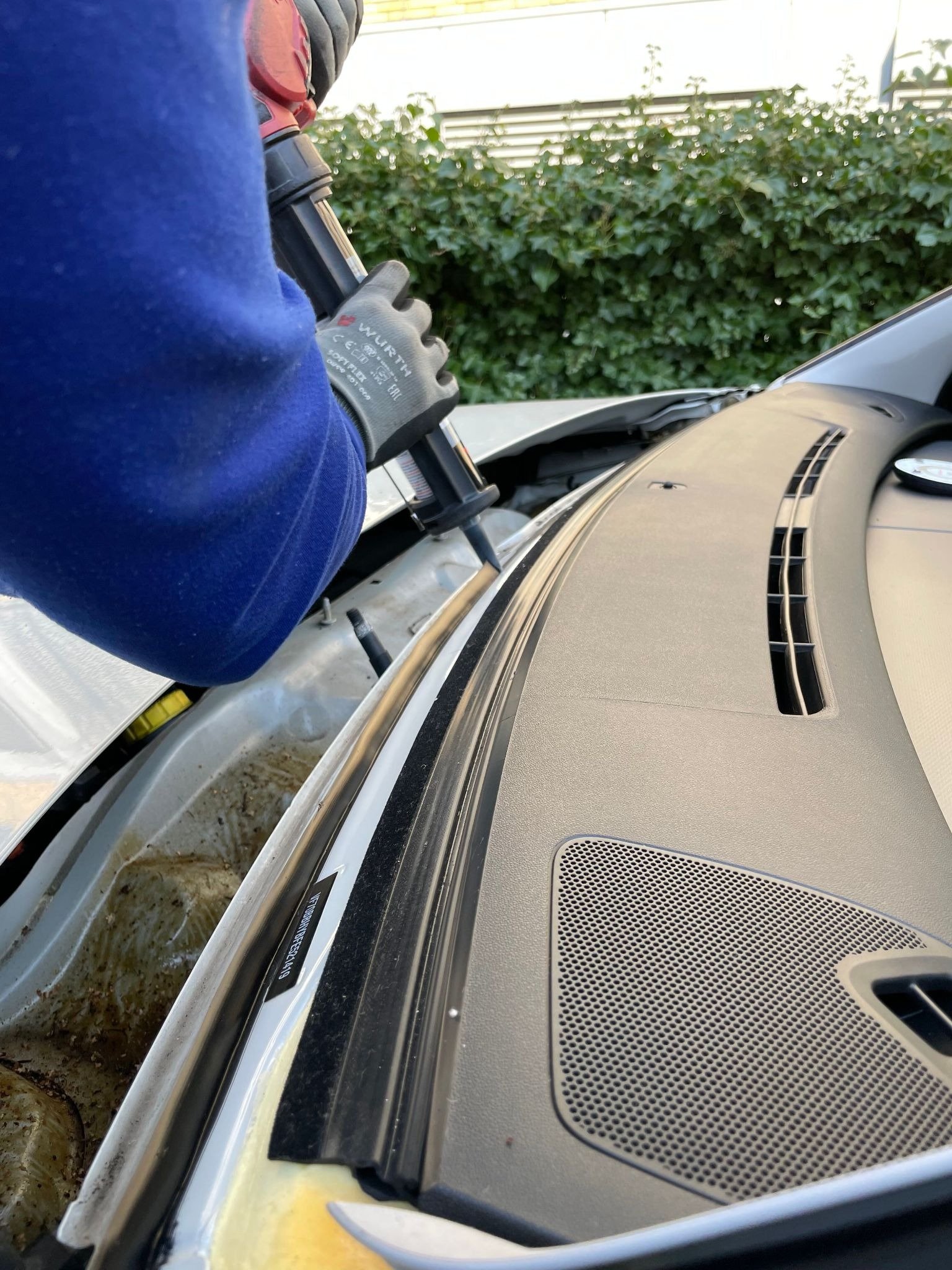
Because of this, replacing a windshield is no longer just about installing a new piece of glass. In many vehicles, a windshield replacement must be followed by Advanced Driver Assistance Systems (ADAS) calibration to ensure these safety features continue working correctly.
Unfortunately, some drivers are unaware of the importance of calibration or assume it is optional. Skipping this critical step can affect vehicle safety, system accuracy, and even liability in the event of an accident.
If you recently had your windshield replaced or are planning a replacement soon, here is what you need to know about ADAS calibration and why it matters.
What Is ADAS Calibration?
ADAS stands for Advanced Driver Assistance Systems.
These systems use cameras, sensors, radar units, and software to monitor the road and assist drivers.
Common ADAS features include:
- Lane departure warning
- Lane keeping assist
- Forward collision warning
- Automatic emergency braking
- Adaptive cruise control
- Traffic sign recognition
- Pedestrian detection
- Blind spot monitoring
Many of these systems rely on a forward-facing camera mounted near the windshield.
When a windshield is replaced, even the slightest change in camera positioning can affect how these systems interpret road conditions. ADAS calibration ensures the camera and sensors are properly aligned according to manufacturer specifications.
If your vehicle requires calibration after a windshield replacement, skipping the process can create serious safety concerns.
Why Windshield Replacement Affects ADAS Systems
Modern ADAS cameras are extremely precise.
Even a shift of a few millimeters can change how the camera interprets:
- Lane markings
- Vehicle distances
- Road curvature
- Traffic signs
- Objects in front of the vehicle
When technicians remove and install a windshield, the camera assembly must often be disconnected and reinstalled.
Without calibration, the camera may no longer be aligned exactly where the manufacturer intended.
This is why many vehicle manufacturers require calibration whenever a windshield is replaced.
Safety Features May Stop Working Properly
The most obvious risk of skipping calibration is reduced system accuracy.
Your vehicle may still display ADAS alerts, but they may not activate correctly.
Potential issues include:
- Lane departure warnings activating too early or too late
- Adaptive cruise control misjudging following distance
- Automatic braking systems reacting incorrectly
- Forward collision warnings failing to detect hazards
- Lane keeping systems drifting toward lane markings
Because these systems are designed to supplement driver awareness, inaccurate performance can create dangerous situations.
If you recently scheduled a windshield replacement service, ask whether ADAS calibration is required for your specific vehicle.
You May Not Notice a Problem Right Away
One reason calibration is often overlooked is that problems are not always obvious.
Many vehicles continue operating normally after windshield replacement.
Drivers may assume everything is functioning correctly because:
- No warning lights appear
- Safety features still activate occasionally
- The vehicle feels normal during everyday driving
However, calibration errors may only become noticeable during emergency situations.
For example, automatic emergency braking may activate fractions of a second later than intended. That small delay could significantly affect stopping distance.
Maryland Drivers Face Unique Challenges
Drivers throughout Maryland encounter a wide variety of road conditions.
Whether commuting through Baltimore, navigating busy highways around Columbia, or traveling on rural roads in Howard County, ADAS systems frequently assist with:
- Heavy traffic
- Construction zones
- Sudden braking events
- Lane changes
- Congested urban driving
Because Maryland roads present diverse driving environments, properly functioning ADAS systems are especially important.
A calibrated camera helps ensure your vehicle responds accurately across changing road and weather conditions.
Manufacturer Requirements Matter
Many vehicle manufacturers specifically require calibration after windshield replacement.
Ignoring these recommendations can potentially affect:
- Warranty compliance
- Safety performance
- Manufacturer specifications
- Vehicle resale value
Common manufacturers with calibration requirements include:
- Honda
- Toyota
- Subaru
- Ford
- Chevrolet
- Nissan
- Hyundai
- Kia
- Volkswagen
- Mercedes-Benz
A professional auto glass replacement provider can help determine whether your vehicle requires static calibration, dynamic calibration, or both.
Liability Concerns After an Accident
Suppose your vehicle is involved in an accident after a windshield replacement.
If investigators discover required ADAS calibration was skipped, questions may arise regarding:
- Vehicle maintenance
- Safety system performance
- Driver responsibility
- Repair procedures
While every situation is different, properly completing manufacturer-recommended calibration helps demonstrate that the vehicle was maintained according to industry standards.
Signs Your Vehicle May Need Calibration
Some indicators include:
- ADAS warning lights
- Lane assist errors
- Collision warning malfunctions
- Adaptive cruise control problems
- Dashboard calibration alerts
However, many vehicles show no warning signs at all.
That is why following manufacturer recommendations is essential, even when everything appears normal.
Professional Installation Matters
Modern windshield replacement involves far more than installing glass.
Professional technicians evaluate:
- Camera placement
- Sensor alignment
- Vehicle specifications
- Calibration requirements
- Manufacturer procedures
When selecting an auto glass repair and replacement company, make sure they understand ADAS-equipped vehicles and follow current industry standards.
The Bottom Line
Skipping ADAS calibration after windshield replacement can affect the performance of critical safety systems that drivers rely on every day.
While your vehicle may appear to function normally, improperly calibrated cameras can reduce the accuracy of lane departure warnings, collision alerts, adaptive cruise control, and emergency braking systems.
For Maryland drivers, proper calibration helps ensure that advanced safety technology works exactly as intended. If your vehicle requires ADAS calibration after a windshield replacement, completing the process is an important investment in safety, reliability, and peace of mind.
Before scheduling your next windshield replacement, be sure to ask about ADAS calibration requirements and confirm that your vehicle’s safety systems will be properly restored.