When most Maryland drivers think about winter road salt, they think about rust.
Road salt is widely known for contributing to vehicle corrosion, damage to undercarriages, and deterioration of metal components. However, many drivers do not realize that road salt can also contribute to auto glass problems.
While salt does not directly crack a windshield, it can create conditions that increase the risk of chips, cracks, and long-term glass damage. Understanding the connection between road salt and auto glass can help drivers take preventative measures and protect their vehicles throughout the winter season.
Why Maryland Uses Road Salt
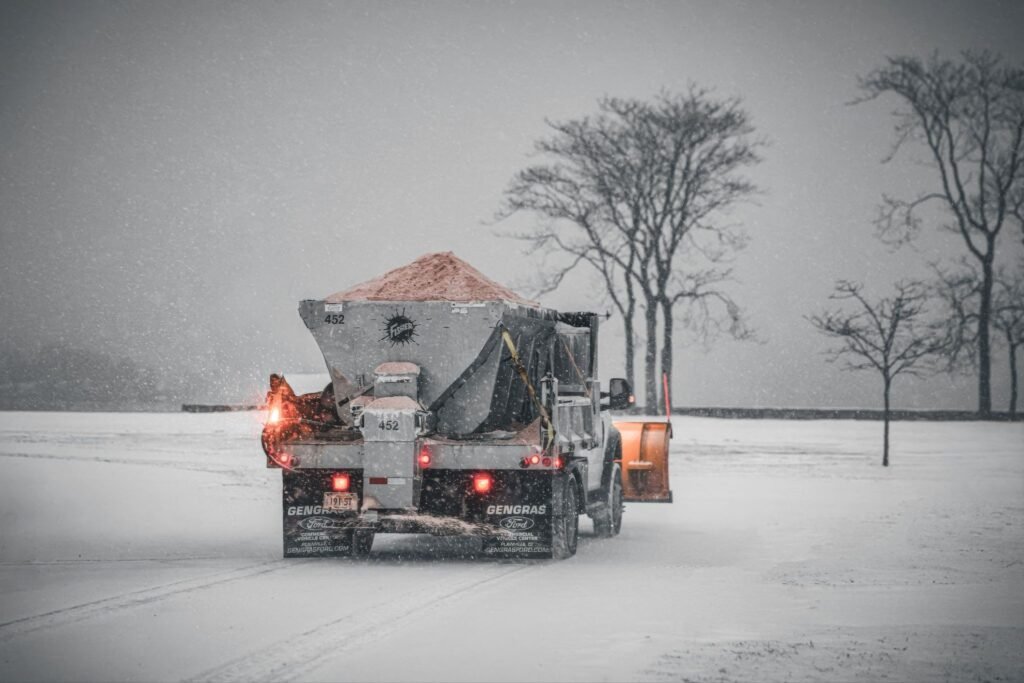
Maryland road crews use salt to improve road safety during snow and ice events.
Salt lowers the freezing point of water, helping:
- Melt ice
- Reduce slick road conditions
- Improve traction
- Increase roadway safety
While this helps keep roads passable during winter storms, it also creates challenges for vehicles traveling on treated roads.
The Biggest Auto Glass Threat: Flying Salt and Debris
One of the most common ways road salt contributes to windshield damage is through airborne debris.
As vehicles drive across salted roads, tires can launch:
- Salt crystals
- Small rocks
- Gravel
- Sand
- Ice fragments
at high speeds.
These materials can strike your windshield with significant force.
Even a tiny impact may create:
- Rock chips
- Surface pitting
- Small cracks
What initially appears to be a minor chip can quickly grow into a larger windshield crack if left untreated.
This is why many drivers seek professional repair shortly after winter damage occurs.
Winter Driving Increases Impact Risks
Maryland winters create ideal conditions for windshield damage.
During and after storms, roads often contain a mixture of:
- Salt
- Gravel
- Slush
- Ice
- Loose debris
Vehicles traveling ahead can easily throw these materials into the air.
Highway driving is especially risky because debris impacts occur at much higher speeds.
Drivers commuting on major Maryland routes may notice an increase in windshield chips during the winter months for this reason.
Salt Accelerates Existing Damage
Road salt itself does not typically create new cracks.
However, it can make existing problems worse.
When salt and moisture enter a rock chip or small crack, they can contaminate the damaged area.
This contamination may:
- Weaken repairs
- Increase visibility issues
- Allow moisture intrusion
- Make future repairs more difficult
Prompt windshield repair services can help prevent contamination before damage spreads.
Freeze-Thaw Cycles Create Additional Stress
Maryland experiences frequent freeze-thaw cycles during winter.
Water enters small chips and cracks, then freezes when temperatures drop.
As water freezes, it expands.
This expansion places pressure on the surrounding glass and can cause existing cracks to grow.
When temperatures rise again, the cycle repeats.
Road salt contributes by helping moisture remain present on roadways and vehicle surfaces throughout the season.
Reduced Visibility from Salt Buildup
Road salt can also affect visibility.
Salt spray kicked up by other vehicles often coats the windshield with a white film.
Over time, this buildup can:
- Reduce visibility
- Increase glare
- Make small chips harder to notice
- Require more frequent windshield cleaning
Drivers may not realize damage exists until a crack begins spreading.
Regular cleaning allows you to identify problems early and schedule auto glass repairs before minor issues worsen.
How Windshield Protection Film Can Help
One of the most effective ways to reduce the risk of road debris damage is windshield protection film.
Windshield protection film acts as a protective layer applied directly to the glass surface.
Benefits include:
- Increased impact resistance
- Reduced chip formation
- Protection against road debris
- Improved durability
- Enhanced long-term windshield preservation
For Maryland drivers who regularly encounter winter road conditions, windshield protection film can provide an additional layer of defense against flying salt, rocks, and gravel.
While no solution can eliminate every risk, protective film can significantly reduce the likelihood of costly windshield damage.
Winter Maintenance Tips for Maryland Drivers
Protecting your auto glass during winter starts with good vehicle care.
Consider the following tips:
Maintain Safe Following Distances
Staying farther behind other vehicles reduces exposure to airborne debris.
Repair Chips Quickly
Small chips are much easier and less expensive to repair before they spread.
Wash Your Vehicle Regularly
Frequent washing removes accumulated salt and debris.
Inspect Your Windshield Frequently
Look for:
- New chips
- Small cracks
- Surface pitting
- Visibility issues
Consider Windshield Protection Film
Protective film adds an extra barrier against winter road hazards.
Why Winter Damage Often Appears in Spring
Many drivers notice windshield issues after winter has ended.
This happens because:
- Small chips accumulate during winter
- Freeze-thaw cycles gradually enlarge damage
- Temperature increases reveal hidden weaknesses
By spring, what started as a tiny impact may require a full windshield replacement.
Routine inspections during winter can help prevent this situation.
When to Seek Professional Help
You should have your windshield evaluated if you notice:
- New rock chips
- Growing cracks
- Visibility concerns
- Multiple impact points
- Damage near the windshield edge
Professional technicians can determine whether repair or replacement is the most appropriate solution.
Addressing damage early often saves money and helps preserve the structural integrity of the windshield.
The Bottom Line
Road salt plays an important role in keeping Maryland roads safe during winter, but it also creates conditions that increase the risk of auto glass damage. Flying salt, gravel, moisture intrusion, and freeze-thaw cycles all contribute to windshield chips and cracks.
The good news is that preventative measures can make a significant difference. Regular inspections, prompt repairs, safe driving habits, and windshield protection film can help Maryland drivers reduce winter-related glass damage and avoid costly repairs down the road.
By understanding how road salt affects auto glass, drivers can better protect their vehicles and maintain clear, safe visibility throughout every season. Contact ProGuard Auto Glass today.