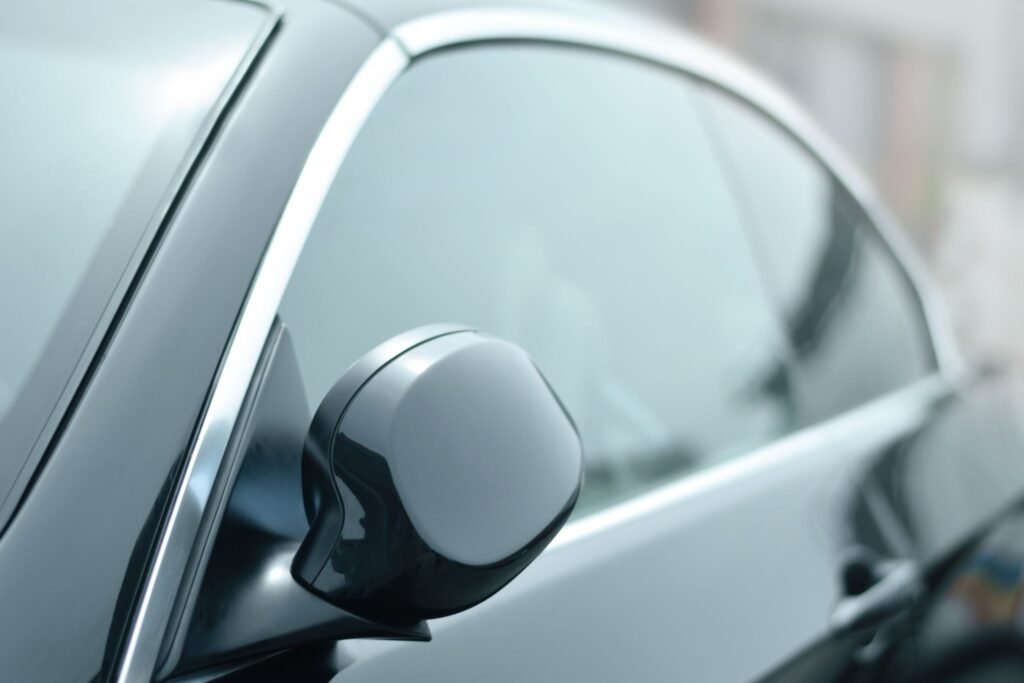
Window tint can enhance the appearance of your vehicle, improve comfort, reduce glare, and protect your interior from harmful UV rays. When properly installed and maintained, quality window tint can last for years while maintaining a clean, professional appearance.
Unfortunately, not all window tint installations age gracefully. Many vehicle owners eventually notice bubbling, peeling, discoloration, or other issues that make their tint look worn and unattractive.
In many cases, these problems are preventable.
Understanding the most common window tint mistakes can help Maryland drivers protect their investment and enjoy long-lasting results.
Why Window Tint Starts Peeling or Bubbling
Window tint consists of a thin film applied to the inside surface of your vehicle’s windows. When installed correctly, the film bonds smoothly to the glass and remains securely in place.
Peeling and bubbling occur when that bond begins to fail.
Several factors can contribute to this issue, including poor installation techniques, low-quality materials, environmental exposure, and improper maintenance.
Mistake #1: Choosing Low-Quality Tint Film
Not all window tint products are created equal.
Some low-cost films use inferior adhesives and materials that break down much faster than premium options. Over time, exposure to heat, sunlight, and moisture can cause these films to separate from the glass.
Common signs of low-quality tint include:
- Bubbling
- Purple discoloration
- Fading
- Edge peeling
- Adhesive failure
Investing in professional-grade tint often results in better appearance, longer lifespan, and improved performance.
Mistake #2: Improper Window Preparation
Proper preparation is one of the most important steps in the tinting process.
Before film is applied, technicians must thoroughly clean the glass and remove:
- Dust
- Dirt
- Grease
- Fingerprints
- Residue from previous tint
Even tiny contaminants can become trapped beneath the film.
These imperfections may initially appear as small bubbles and can worsen over time as the adhesive struggles to maintain a strong bond.
Professional installers understand that preparation is just as important as the tint itself.
Mistake #3: Installing Tint in Poor Conditions
Environmental conditions matter during installation.
Applying window tint in areas with excessive:
- Dust
- Wind
- Humidity
- Temperature fluctuations
can increase the likelihood of contamination and bonding issues.
Professional tint installations are typically performed in controlled indoor environments where technicians can minimize external factors that affect adhesion.
Mistake #4: Rolling Down Windows Too Soon
Many drivers become excited after receiving fresh window tint and immediately begin using their windows normally.
This can be a costly mistake.
Newly installed tint requires time to cure and fully bond to the glass.
Rolling windows down too soon can:
- Shift the film
- Damage the edges
- Create lifting
- Cause peeling
Drivers should always follow post-installation instructions provided by their installer.
Mistake #5: Using Harsh Cleaning Products
The wrong cleaning products can damage window tint over time.
Many household glass cleaners contain ammonia, which can break down tint film and adhesives.
Instead, use:
- Tint-safe cleaners
- Soft microfiber cloths
- Non-abrasive cleaning products
Avoiding harsh chemicals helps preserve the appearance and longevity of the tint.
Mistake #6: Ignoring Edge Damage
Small areas of lifting along the edges may not seem serious at first.
However, once an edge begins separating from the glass, dirt and moisture can enter beneath the film.
This often leads to:
- Additional peeling
- Larger bubbles
- Adhesive contamination
- Premature failure
Addressing minor issues early can sometimes prevent larger repairs later.
Mistake #7: Excessive Heat Exposure
Maryland summers can place significant stress on vehicle interiors.
Vehicles parked in direct sunlight may experience extremely high cabin temperatures, especially during July and August.
While quality tint is designed to handle heat, lower-quality products often deteriorate faster under prolonged exposure.
Heat can weaken adhesives and accelerate bubbling or peeling.
Parking in shaded areas whenever possible may help extend the lifespan of your tint.
Mistake #8: DIY Installation Errors
DIY window tint kits are widely available, but professional installation often produces far better results.
Common DIY mistakes include:
- Misaligned film
- Trapped air bubbles
- Improper trimming
- Contamination beneath the film
- Uneven application
Even small installation errors can become more noticeable as the tint ages.
Professional installation reduces the risk of premature failure and often includes warranties for additional peace of mind.
How Maryland Weather Affects Window Tint
Maryland experiences a wide range of weather conditions throughout the year.
Drivers regularly encounter:
- Intense summer heat
- Winter freezing temperatures
- Rain and humidity
- Rapid seasonal changes
These conditions create expansion and contraction cycles that place stress on both the glass and the tint film.
Quality installation and materials become especially important in climates with significant temperature fluctuations.
Signs Your Tint May Need Attention
Watch for early warning signs such as:
- Small air bubbles
- Lifting edges
- Discoloration
- Visible wrinkles
- Cloudy appearance
Addressing problems early may prevent more extensive damage and help maintain the appearance of your vehicle.
Protecting Your Investment
Window tint offers numerous benefits when properly installed and maintained.
To maximize its lifespan:
- Choose high-quality tint film
- Work with experienced professionals
- Follow post-installation care instructions
- Use tint-safe cleaning products
- Address small issues promptly
These simple steps can help keep your tint looking clean and professional for years.
The Bottom Line
Peeling and bubbling window tint is often the result of preventable mistakes. Low-quality materials, poor installation practices, improper cleaning, and environmental exposure can all contribute to premature failure.
For Maryland drivers, investing in professional installation and proper maintenance is the best way to protect your vehicle’s appearance and ensure long-lasting performance. With the right approach, quality window tint can provide years of comfort, UV protection, and enhanced style without the frustration of bubbling or peeling.
Contact ProGuard Auto Glass today to get quality installation.