A cracked windshield can happen suddenly. A small rock from the road, sudden temperature changes, or minor accidents can quickly leave drivers with visible glass damage. When this happens, many people wonder if it’s still safe to drive with a cracked windshield or if it needs to be repaired immediately.
While a small chip might seem harmless, windshield damage can affect your safety, visibility, and even the structural integrity of your vehicle. In some cases, continuing to drive with a damaged windshield can also lead to legal issues depending on local regulations.
In this post, we’ll explain the risks of driving with a cracked windshield, when it becomes dangerous, and what steps you should take to fix the problem before it gets worse.
The Problem: What’s Going Wrong?
Detail the issue your audience is facing:Many drivers underestimate how important their windshield is to overall vehicle safety. A windshield does more than block wind and debris – it also helps maintain the structural strength of the vehicle.
According to automotive safety experts, the windshield contributes up to 45% of the structural integrity of the car during a front-end collision and even more during a rollover accident. When the glass is cracked, its strength is reduced.
Common causes of windshield cracks include:
- Flying road debris such as rocks or gravel
- Sudden temperature changes that cause the glass to expand or contract
- Poor road conditions
- Minor accidents or impacts
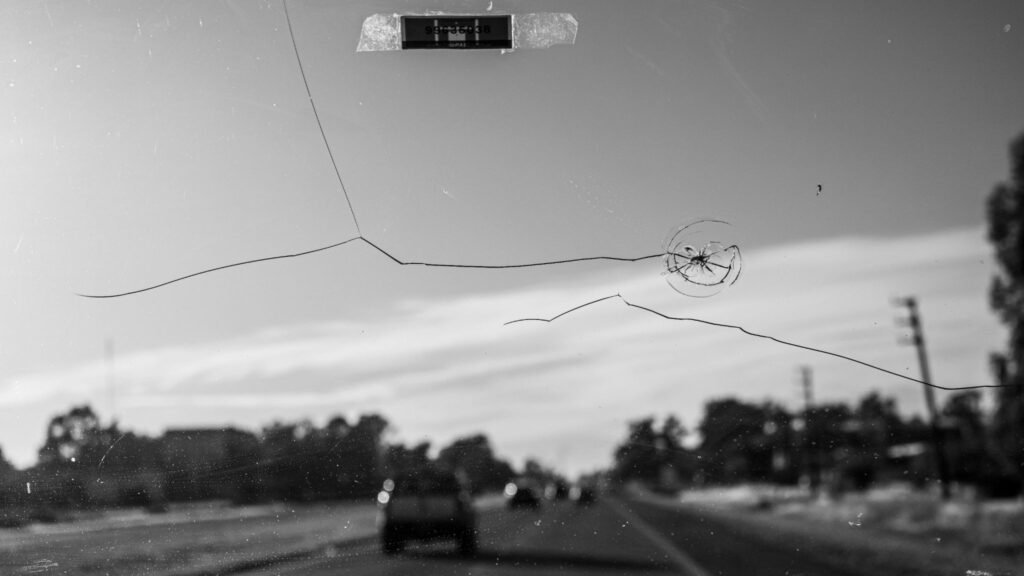
What may start as a small chip or hairline crack can quickly spread across the glass, especially when exposed to vibration, weather changes, or continued driving.
This means that driving with a cracked windshield isn’t just a cosmetic issue — it can affect both driver safety and vehicle performance.
The Solution: How to Fix It
Step 1: Assess the Size and Location of the Crack
The first step is determining how severe the damage is.
Small chips or cracks that are smaller than a quarter may often be repairable. However, cracks become more concerning if they are:
- Longer than a few inches
- Spreading across the windshield
- Located in the driver’s direct line of sight
- Near the edge of the windshield
Damage near the edge of the glass can weaken the entire windshield and may require replacement instead of repair.

Step 2: Understand the Safety Risks
Driving with a cracked windshield can create several safety concerns.
Reduced Visibility:
- Cracks can distort your view of the road, especially when sunlight or headlights reflect off the damaged glass.
Structural Weakness:
- As mentioned earlier, the windshield plays a critical role in vehicle structure. A weakened windshield may not provide proper protection in an accident.
Airbag Deployment Issues:
- In many vehicles, the windshield helps support airbag deployment. If the glass is compromised, airbags may not deploy properly during a crash.
These risks increase as the crack grows larger.
Step 3: Consider the Legal Risks
In many states, it can be illegal to drive with windshield damage if it obstructs the driver’s view.
While laws vary by state, police officers may issue citations if:
- The crack blocks visibility
- The damage is considered a safety hazard
- The windshield condition violates vehicle safety regulations
Addressing windshield damage early helps drivers avoid potential fines while improving road safety.
Step 4: Repair or Replace the Windshield
The best solution depends on the severity of the damage.
| Windshield Repair | Small chips or minor cracks can often be repaired quickly using specialized resin. This restores the glass strength and prevents the crack from spreading. |
| Windshield Replacement | Larger cracks or damage in critical areas usually require full windshield replacement. |
Professional technicians can inspect the damage and recommend the safest option.
Tools and Resources to Help
If you notice windshield damage, scheduling a professional inspection is the best way to determine whether repair or replacement is needed.
Professional auto glass technicians have specialized tools that can:
- stop cracks from spreading
- restore windshield strength
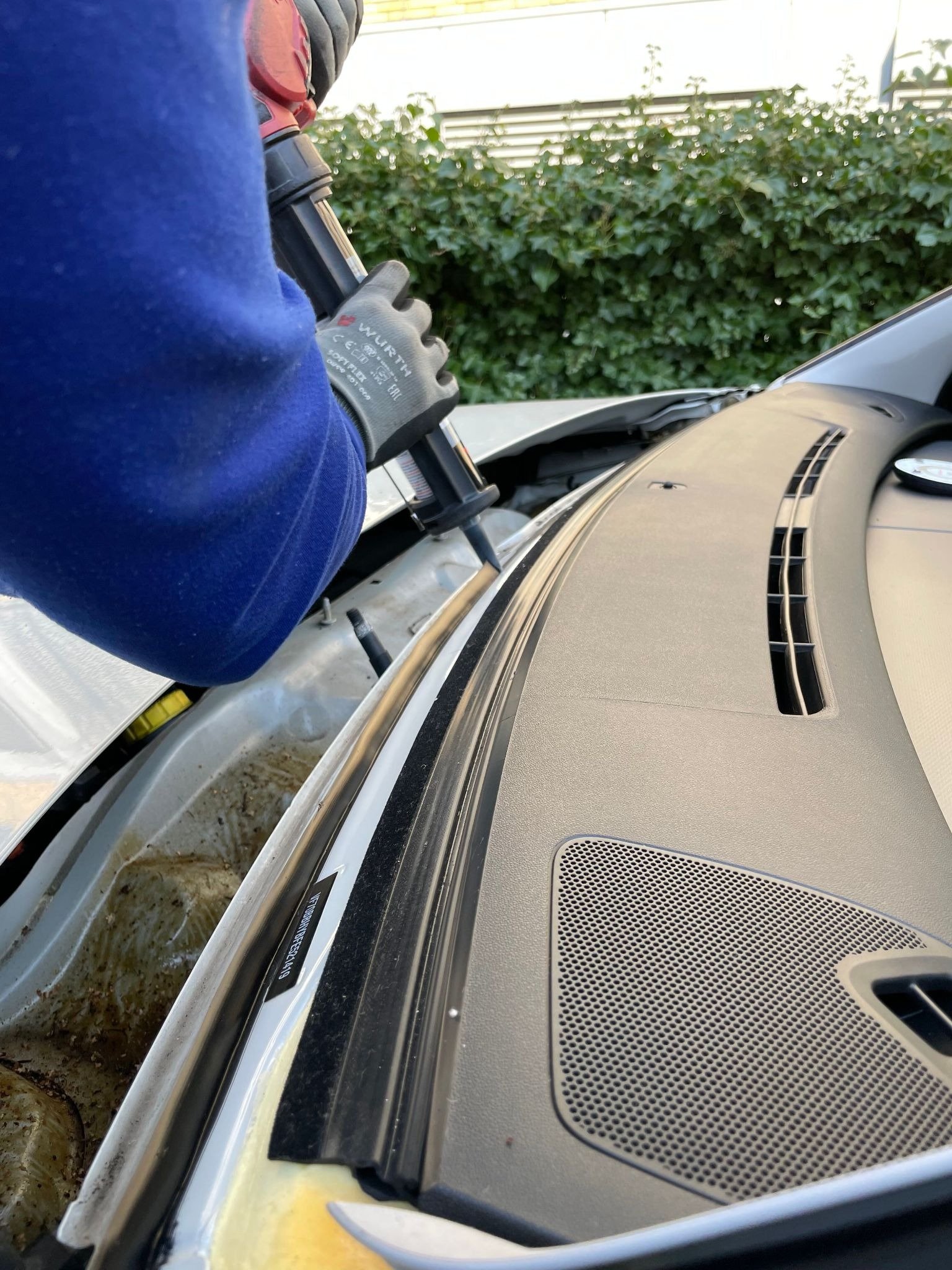
- ensure safe installation of replacement glass
Many repairs can be completed in less than an hour, making it a quick and convenient fix.
Common Mistakes to Avoid
Ignoring Small Chips
- Small chips often turn into large cracks if left untreated.
Using DIY Repair Kits Improperly
- While some kits can help temporarily, improper use may worsen the damage.
Waiting Too Long
- Temperature changes, road vibrations, and moisture can cause cracks to spread quickly.
Addressing windshield damage early can save drivers both time and money.
In Summary:
Driving with a cracked windshield might seem harmless at first, but even minor damage can lead to safety risks, reduced visibility, and potential legal issues. Because the windshield plays such an important role in protecting drivers and passengers, it’s important to address any damage as soon as possible.
Small chips can often be repaired quickly, while larger cracks may require a full windshield replacement. In either case, taking action early helps prevent the damage from getting worse.
If you’re unsure whether it’s safe to drive with a cracked windshield, the team at ProGuard Auto Glass can help.
Our technicians can inspect your windshield and recommend the safest solution, whether it’s a quick repair or a full replacement.
Contact us today to schedule a windshield inspection or request a free quote.