If you’re dealing with a cracked windshield, one of the first questions you’re likely asking is: How much will it cost to replace it? In 2026, windshield replacement prices can vary widely depending on your vehicle, the type of glass, and whether advanced driver-assistance systems (ADAS) require recalibration.
This topic matters because driving with a significantly damaged windshield can reduce visibility, weaken the structural integrity of the vehicle, and in some cases violate state inspection or safety requirements. It applies to everyday drivers, rideshare operators, fleet managers, and anyone comparing insurance versus out-of-pocket costs.
In this post, we’ll explain the typical price ranges for windshield replacement in 2026, break down the factors that influence the final bill, show how to estimate your own cost, and highlight situations where repair may be cheaper than full replacement.
What is Windshield Replacement, and Why Does it Matter?
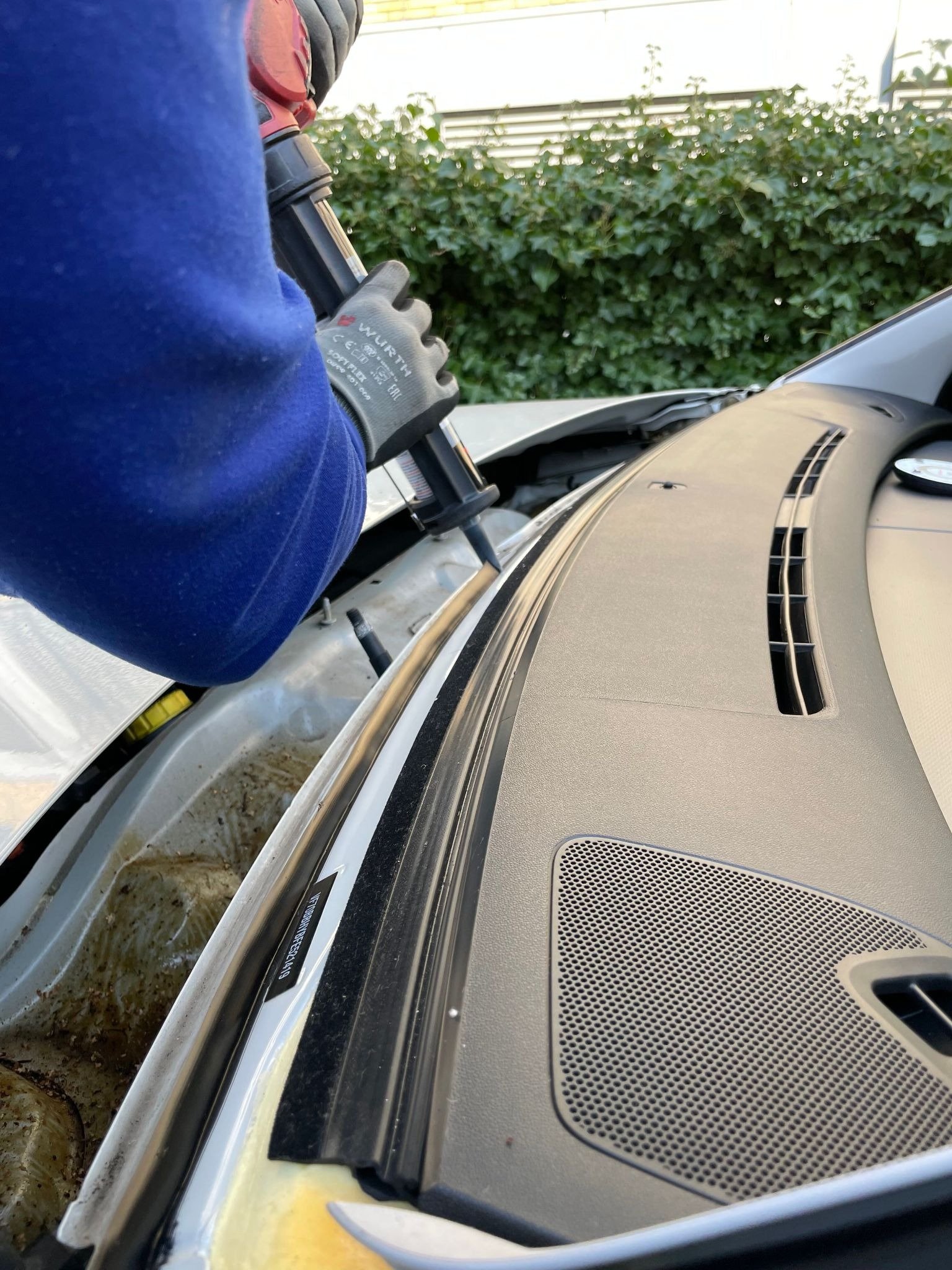
Windshield replacement means removing the damaged windshield, installing a new piece of automotive safety glass, bonding it with automotive-grade adhesive, and allowing the adhesive to cure before the vehicle is returned to service. On many modern vehicles, technicians must also recalibrate cameras and sensors mounted near the windshield.
Understanding replacement cost matters because the windshield is more than a piece of glass. It contributes to roof-crush protection, helps passenger airbags deploy correctly on some vehicles, and supports clear visibility in all weather conditions. Choosing the wrong glass, skipping recalibration, or driving away before the adhesive has cured can create safety and performance problems that cost more to fix later.
Typical Windshield Replacement Cost in 2026
| Vehicle/Situation | Typical Installed Cost (USD) |
| Older economy car, no ADAS camera | $250–$450 |
| Mainstream sedan or crossover with ADAS camera | $450–$900 |
| Luxury vehicle, premium acoustic glass, heated glass, or specialty tint | $800–$1,800+ |
| Additional ADAS calibration (if billed separately) | $150–$500+ |
What Drives the Price Up or Down?
Vehicle make and model
Luxury and low-volume vehicles usually cost more because the glass and trim parts are more expensive and less widely stocked.
ADAS equipment
Vehicles with windshield-mounted cameras often require static, dynamic, or combined recalibration after replacement.
Glass type
Heated windshields, acoustic glass, HUD-compatible glass, and specialty tint increase material cost.
OEM vs. OEM-equivalent glass
Genuine OEM glass is frequently more expensive than quality aftermarket/OEM-equivalent options.
Mobile service
Convenience may add a fee in some markets, though many providers bundle mobile installation into the quoted price.
Insurance coverage
Comprehensive coverage may reduce or eliminate out-of-pocket cost depending on deductible and state-specific glass rules.
How to Estimate Your Windshield Replacement Cost
Step 1: Identify the exact vehicle
Have the year, make, model, and trim ready. A 2026 Toyota RAV4, for example, may have different glass options and camera requirements than a base trim from a different model year.
Step 2: Determine whether ADAS is involved
Look for features such as lane-keeping assist, forward collision warning, adaptive cruise control, traffic sign recognition, or rain/light sensors near the rearview mirror. If the vehicle uses a windshield-mounted camera, calibration should be part of the discussion.
Step 3: Ask whether the quote includes calibration
Some shops quote glass installation and calibration separately. Ask:
“Does this price include required ADAS calibration and post-install verification?”
Step 4: Confirm the glass type
Ask whether the quote is for genuine OEM glass or OEM-equivalent/aftermarket glass, and whether the vehicle requires HUD-compatible, acoustic, heated, or other specialty glass.
Step 5: Compare insurance vs. out-of-pocket cost
If your comprehensive deductible is $500 and the job is quoted at $700, filing a claim may save less than expected. If your state or policy offers full glass coverage, the out-of-pocket cost may be much lower. The right choice depends on your policy details and claims history considerations.
In Summary:
For most vehicles in 2026, windshield replacement falls somewhere between a few hundred dollars for older, simpler vehicles and well over $1,000 for luxury models with specialty glass and ADAS calibration. The biggest cost drivers are the vehicle itself, the glass specification, and whether camera/sensor recalibration is required.
The most reliable way to budget accurately is to get a quote that includes year/make/model/trim, glass type, labor, trim parts, and any required ADAS calibration. If the damage is still small, ask whether repair is possible before committing to replacement.
Need a precise quote for your vehicle? Contact ProGuard Auto Glass for a windshield replacement estimate that includes the correct glass option, installation, and ADAS calibration requirements. We can also help determine whether your windshield is a candidate for repair instead of full replacement.